
How Smart Technology is Revolutionizing Commercial Cleaning in the UK

Introduction to Smart Technology in Cleaning
In recent years, the commercial cleaning industry in the UK has experienced a significant transformation, largely due to the integration of smart technology. This evolution not only enhances efficiency but also elevates the quality of service provided. From automated vacuums to advanced data analytics, smart technology is setting new standards in cleanliness and operational excellence.
Automation and Robotics
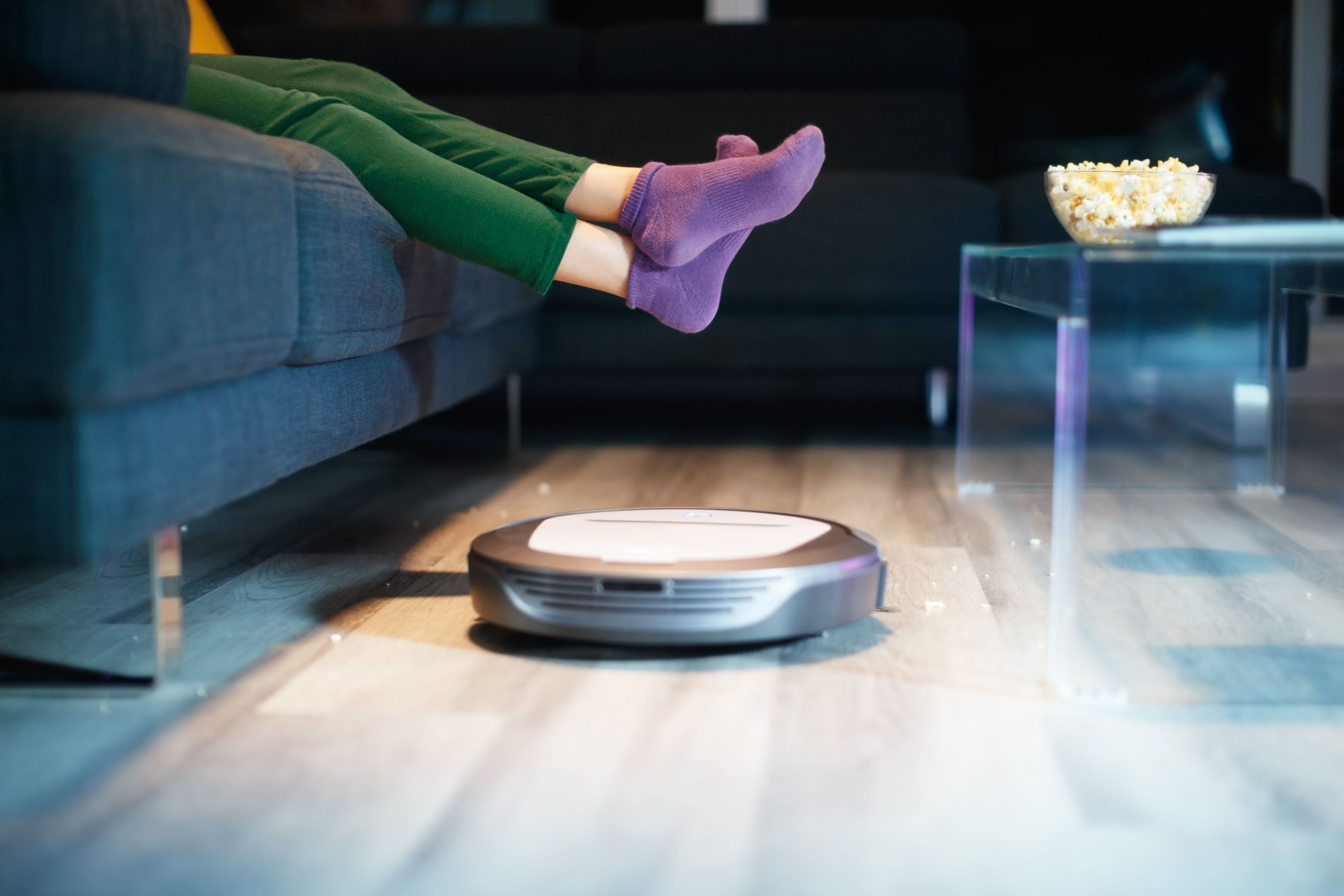
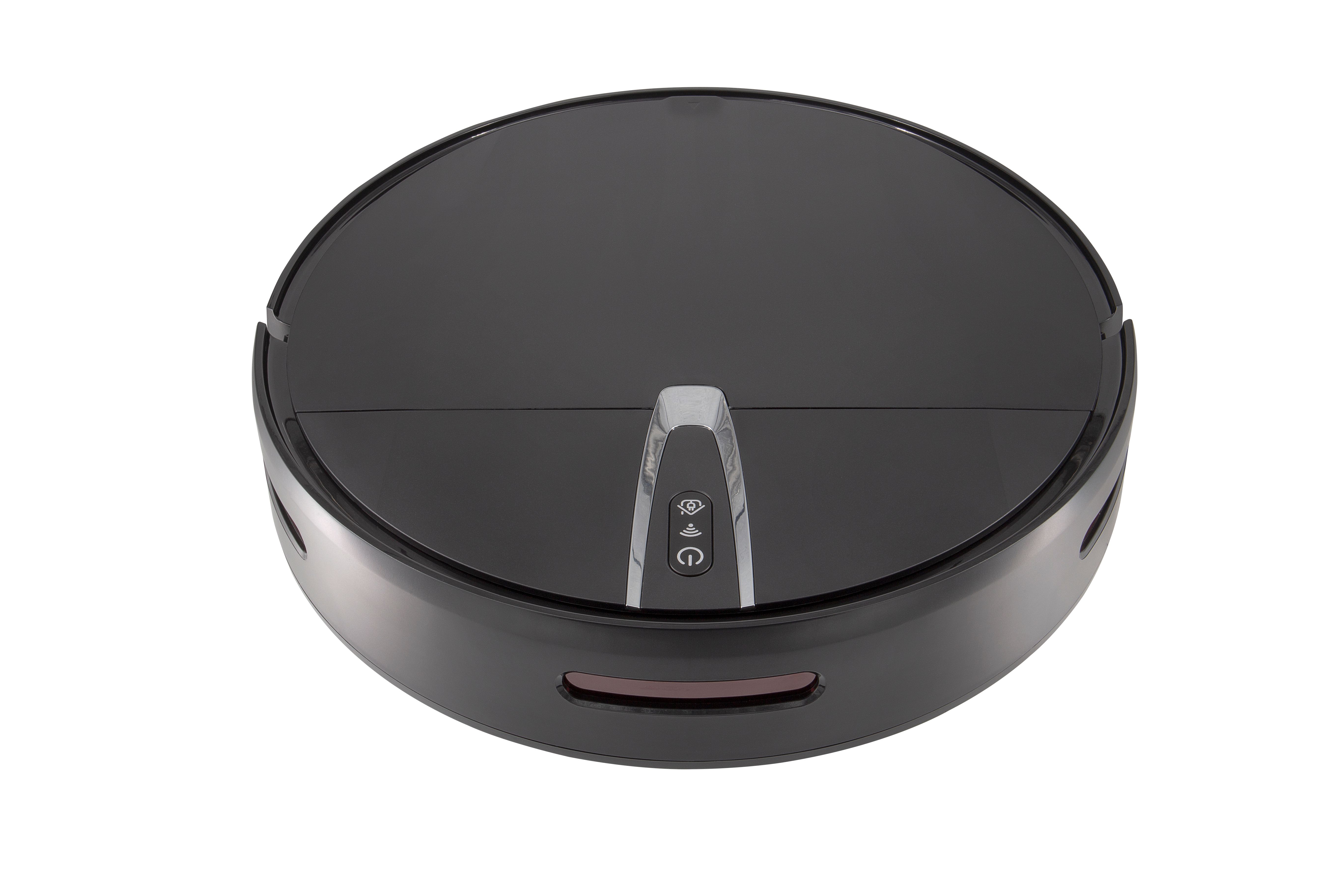
One of the most prominent advancements is the use of robotics. Automated vacuums and scrubbers are becoming common in commercial spaces. These machines can operate with minimal human intervention, allowing cleaning staff to focus on more complex tasks. The precision and consistency offered by robotic cleaners ensure that every corner is attended to, reducing human error and improving overall hygiene.
Additionally, robotic cleaners are equipped with sensors and AI that enable them to navigate spaces efficiently, avoiding obstacles and optimizing cleaning routes. This not only saves time but also reduces energy consumption, offering an environmentally friendly solution.
Data-Driven Cleaning Strategies
Smart technology has introduced data analytics into the cleaning industry, allowing businesses to adopt data-driven strategies. Sensors and IoT devices can monitor foot traffic and identify high-usage areas, ensuring these spots receive more frequent cleaning. This targeted approach maximizes resource allocation and maintains a consistently high standard of cleanliness.
Moreover, data analytics can track cleaning performance, offering insights into efficiency and areas for improvement. This continuous feedback loop empowers cleaning companies to refine their processes and deliver superior results to their clients.

Enhanced Health and Safety
In the wake of the COVID-19 pandemic, health and safety have become paramount. Smart technology plays a crucial role in ensuring compliance with the latest health guidelines. Automated dispensers and touchless systems minimize contact, reducing the risk of contamination. Additionally, smart technologies can monitor air quality and ensure proper ventilation, further safeguarding occupants.
By integrating these technologies, commercial spaces can reassure clients and employees that their health is a top priority, fostering trust and confidence in the environment.
Cost Efficiency and Sustainability
Implementing smart technology in commercial cleaning is not only about enhancing quality but also about cost efficiency. Automated systems can reduce labor costs by handling routine tasks, while data-driven insights optimize resource use, reducing waste. This combination leads to significant savings for businesses.
Furthermore, many smart cleaning solutions are designed with sustainability in mind. Energy-efficient machines and eco-friendly products contribute to reducing the carbon footprint of cleaning operations, aligning with broader environmental goals.

Conclusion: The Future of Commercial Cleaning
The integration of smart technology into commercial cleaning is revolutionizing the industry in the UK. Through robotics, data analytics, and sustainable practices, businesses can achieve higher standards of cleanliness while optimizing costs and supporting environmental initiatives. As technology continues to advance, the future of commercial cleaning looks promising, with endless possibilities for innovation and improvement.